Free the Breasts - the Republican Fight for Women’s Bodies
In the late 1920s, Chinese progressive women protested in the streets against the custom of flattening breasts by binding them tightly to the chest. In an extreme example from Hubei from 1927, women stripped naked and exposed their natural bodies to the public.
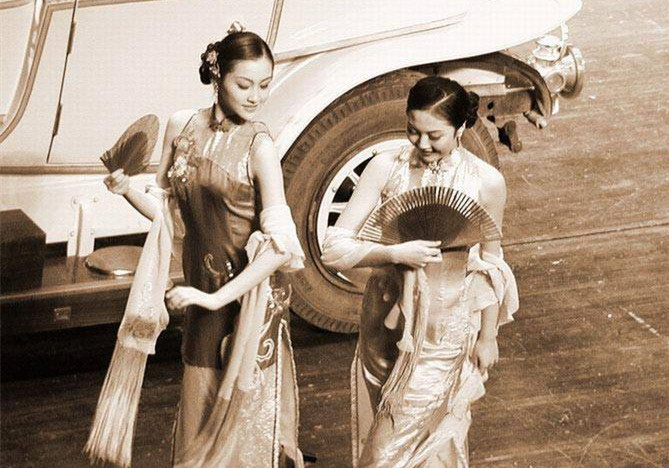
In the late 1920s, Chinese progressive women protested in the streets against the custom of flattening breasts by binding them tightly to the chest. In an extreme example from Hubei from 1927, women stripped naked and exposed their natural bodies to the public.
Whereas the Chinese feudal custom of binding women’s feet is well known, the just as widespread custom of breast binding is, interestingly enough, often forgotten.
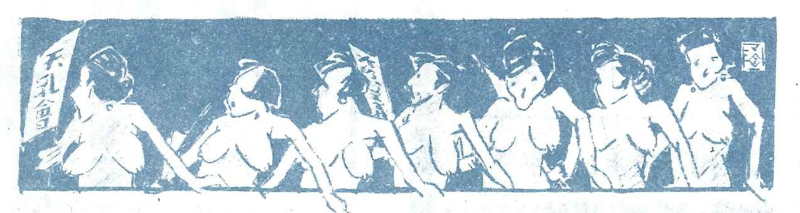
The Natural Breasts Movement featured often in Republican newspapers in the late 1920s. This charicature is from the pictorial Beiyang Huabao.
Breast binding was the outcome of a very dogmatic kind of Confucianism that started in the Song dynasty (960-1279). The core idea of this philosophy was to preserve order in society by strict discipline that would prevent people from giving in to their human desires, and as a woman’s body was an obvious object of desire, the custom that a woman should flatten her chest not to arouse men developed. Big breasts came to be seen as an indication of a bad, uncultivated character.
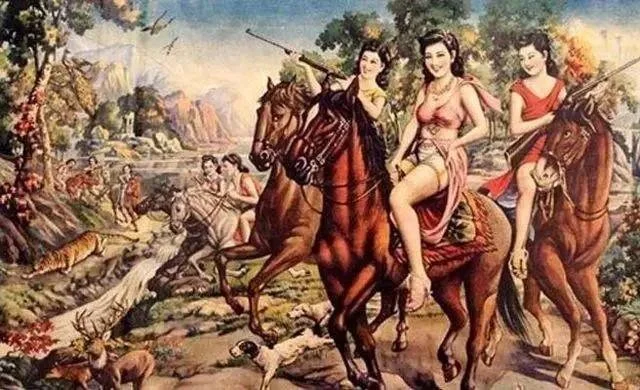
The natural Breast Movement received a lot of attention. Not least because women with curves sold newspapers.
Breast binding took place in Chinese society all the way up till the last emperor abdicated in 1911 and even beyond; as bound feet were officially outlawed with the founding of the republic, the Chinese government and public opinion did at first not turn against breast binding.
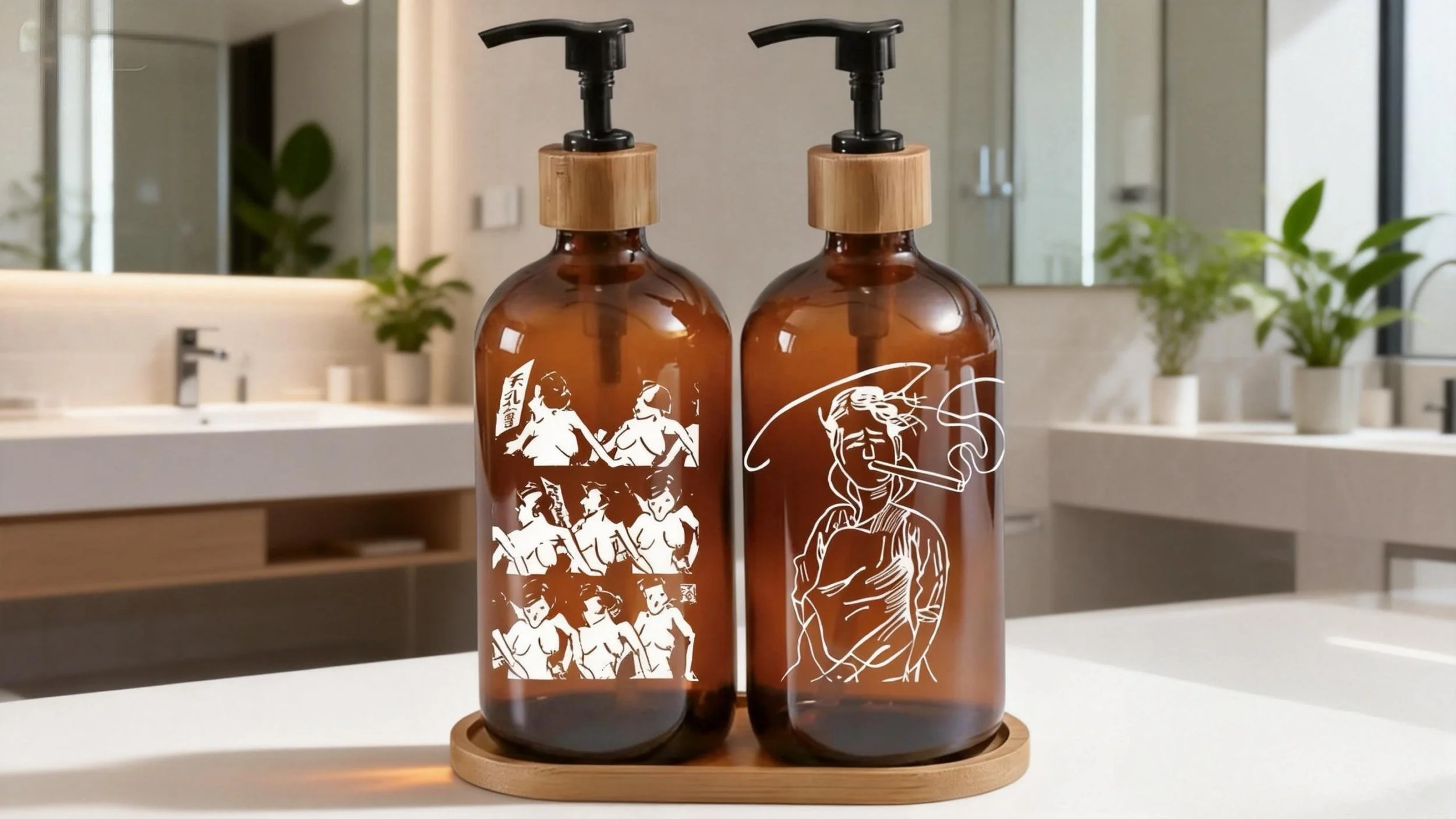
We have used the pictures of new women in the 1920s to create two new limited edition soap bottles marking Women’s Day
In early republican times, many urban-educated women unbound their feet, went to school, and put on Western-inspired clothes and hairstyles as a demonstration of their new identity as modern women breaking with the past. But oddly enough, many women would at first continue binding their breasts with the use of a little vest, signifying both virtue and cultural sophistication, not least to differentiate themselves from what was seen as the uncultured women of the countryside.
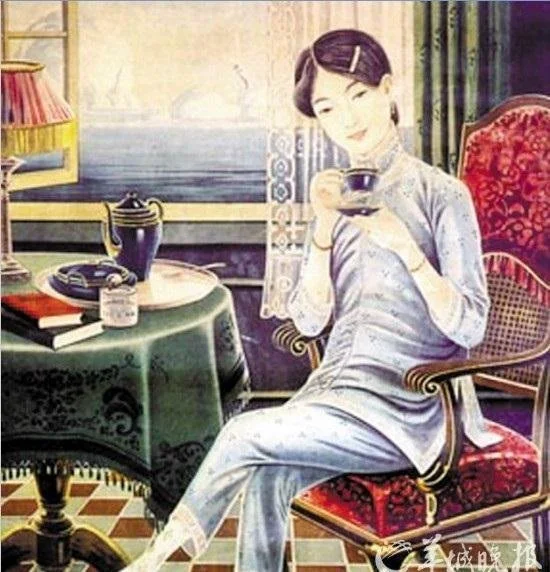
Flat chests continued to be the norm of educated women in the early years of the republic
One of the first recorded criticisms of breast binding was written by Lin Shuhua in 1915. She argued that breast binding was restraining the free development of the female body and hurting the health of women in order to make them fit into a male-dominated society. It was, however, not till the 1920s that the natural breast movement started to really gain traction. At this point protests against breast binding became associated with Chinese nationalism. Famous Republican intellectuals like Hu Shi would argue that the binding of women's breasts harmed the quality of breast milk and thereby affected women's ability to raise children and, in this way, weakened the Chinese race.
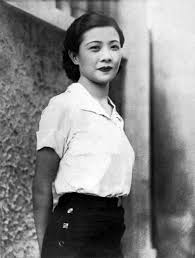
But politics aside, it cannot be ignored that a major influence on changing the ideal of a Chinese woman was the new modern moving pictures and printed media. Plainly speaking, in the new liberalized republican society of China, women with curves sold newspapers and cinema tickets.
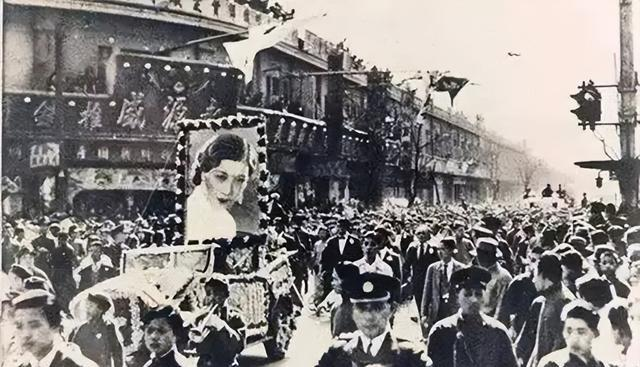
Ruan Lingyu personified the new liberalized women of Chinese soceity and when she tragically died from a suicide in 1925 tenth of thousands of people would walk in her funeral procession
However, the notion that big breasts were proof of a bad character did not entirely die out. Lin Jiao describes in her article “Women’s premarital experience of breast-binding in the Maoist Era” how young women were shamed by older female workers in the public bath of their work units because of the size of their breasts.