
The Road that Shaped Beijing and Its Revolutionary Nemesis
When Kublai Khan decided to place his capital in Beijing 800 years ago, the first thing he did was to determine the city’s central axis

The Central Axis Scarf
Beijing is built around a 7.8 km long central axis. The famous city planner Liang Sicheng called it the spine of the city. All of the most important pieces of architecture were placed either directly upon the axis or along it in a perfectly balanced symmetry.


Taste the Magic Beijing Beverage that Drains the Heat Away
How did the old Beijing cope with summer heat?
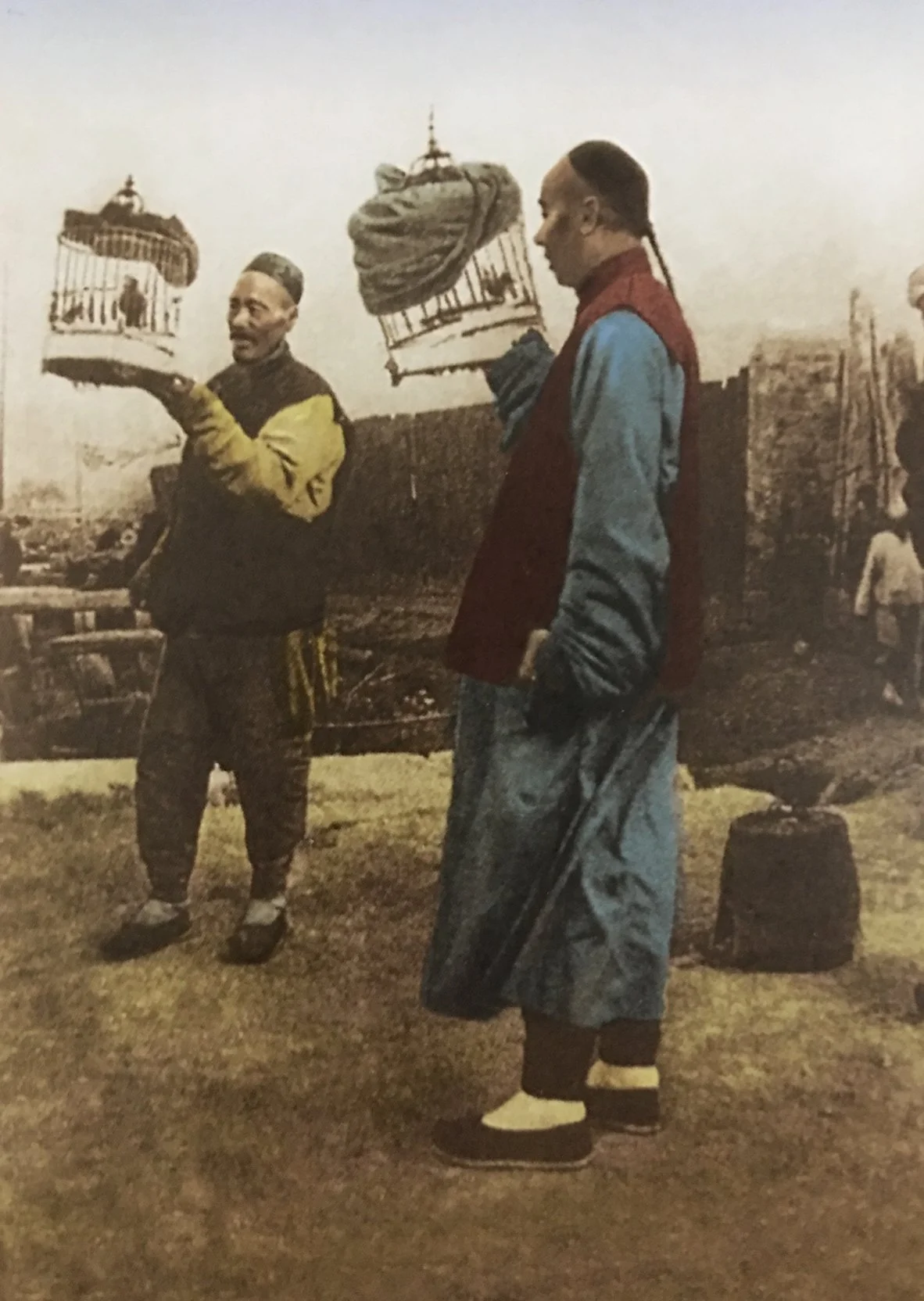
The History of lazy Hutong living
People biding their time in the hutong alleyways playing chess on the ground or attending to their birds and other hobbies is almost a caricature of life in old Beijing.

Women Hold up Half of the Sky
In 1950, the great socialist leader Mao Zedong put all his political weight behind a new marriage law. Women’s rights were for the first time recognized as being equal to the rights of men.
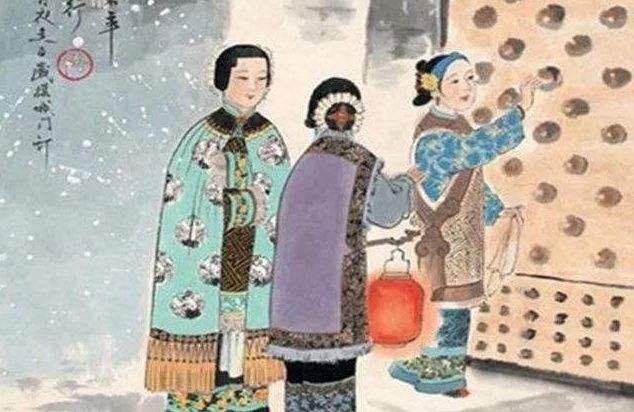
The History of Women in Beijing
Strict Ming and Qing dynasty societal norms confined Han Chinese women to the innermost of courtyard dwellings for most of the year, but at the end of the Chinese New Year celebrations - on the sixteenth day of the first lunar month - it was different.

Beijing's Revolutionary Road on A Scarf
We have dug into the history behind Beijing’s revolutionary road and created a unique scarf out of an originally confidential map we have recently collected.
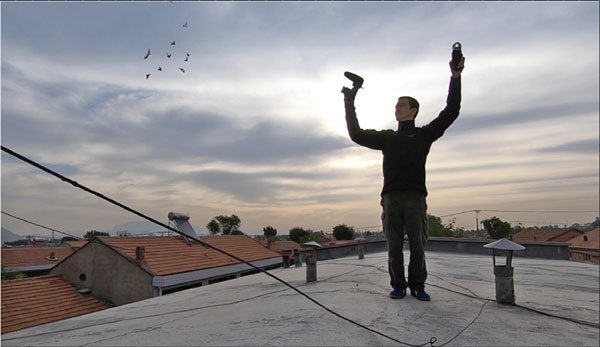
The Vanishing Voices of the Capital
A city with no windows - a new display about the sounds and symbols of old Beijing

Old Beijing Shop Signs Tea Towels - the Code Language of the Capital
We recently stumble upon the fascinating forest of Qing dynasty shop signs, that originally dangled outside shop fronts in the dusty streets of Beijing.

Republican Map of Beijing c.1924
After the Qing dynasty collapsed, the republican Peiyang Government felt the need to unify the major ethnic groups as one nation, the Five Colour Flag was thus created as the national flag, representing the concept of Five Races Under One Union.

New Collection: Procession of Imperial Governor
During the Great Qing, highly placed Imperial officials travelled with an impressive entourage.
Sidelights on Peking Life
We have recently discovered Sidelights on Peking Life from 1927, a book that easily qualifies as one of the best books on Hutong life in the capital that we have ever come across.
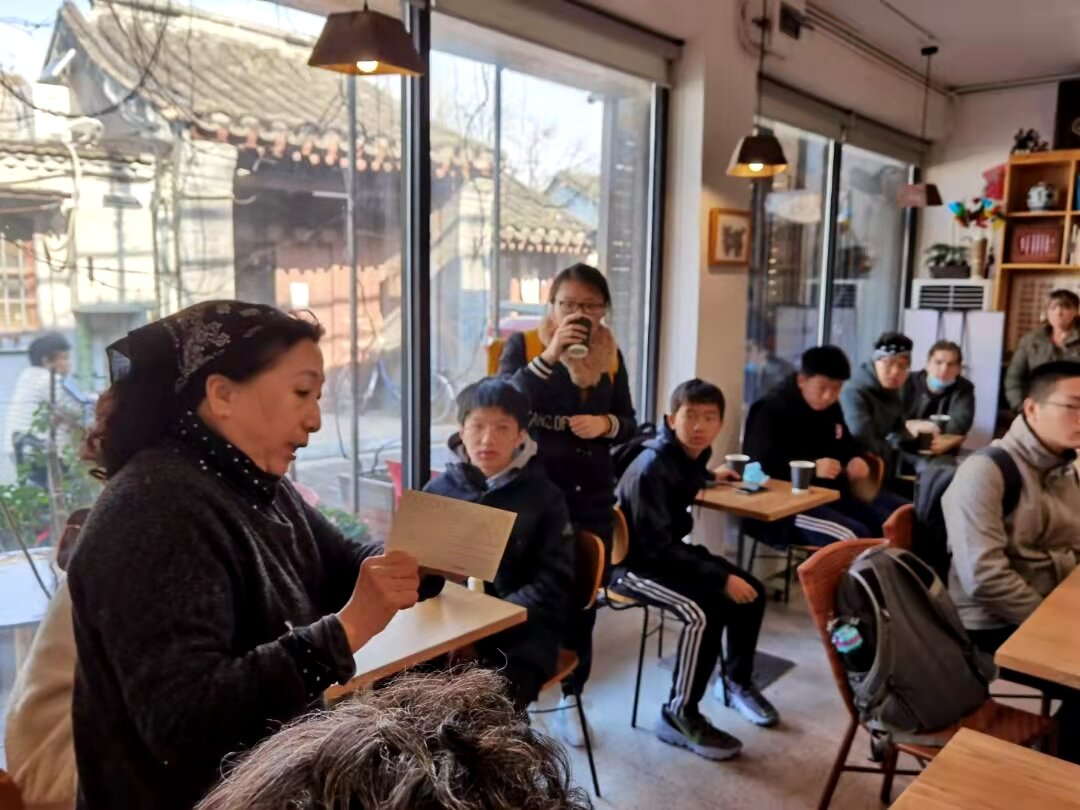
Educational Program in Search of Old Beijing
Sometimes you forget to explore what is right in front of you…

70 Years of Diplomatic Relations between Denmark and China
From Poul Hartling to panda diplomacy — Beijing Postcards team were so honored to be asked to create a display showcasing the history of Danish-Chinese relations to celebrate their 70th Anniversary of diplomatic relations!
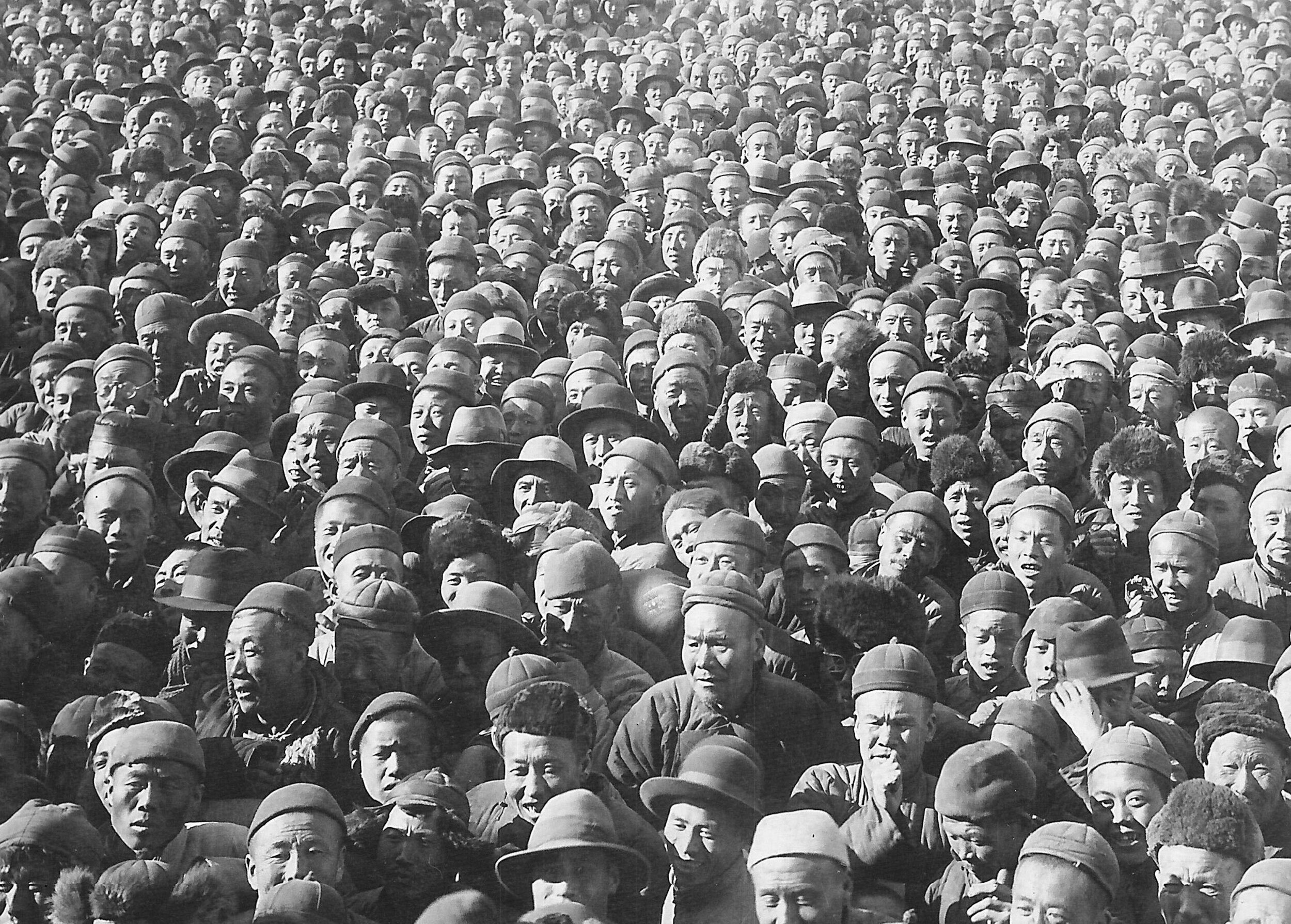
Beijing Postcards Bookclub: A Billion Voices
In 1912, the last emperor of China abdicated. One of the first things the new Republic did was to address the problem of creating a national language in China. The country’s multiple so-called “dialects” were so strong that they were in fact independent languages, with their own grammar and pronunciation.

New Walk: Drama Kings
Not long ago Beijing Opera was the most popular kind of entertainment in China. Even the communists could not ignore its immense popularity, but how is it that a tradition with such widespread appeal has almost disappeared today?

Peking Propaganda: A 1950’s Socialist Docu Soap Starring Former Prostitutes
In 1950, a documentary was made about the closing down of the notorious brothels district Bada Hutong in Beijing. Calling the film a “documentary” is maybe a bit of a stretch, because everything in the fifty-two minute-long film is scripted and pre-arranged. Nobody is acting naturally. The main actresses, however, are actually all former prostitutes of Bada Hutong.

Beijing Postcards Bookclub: The Boxer Rebellion
The Boxer incident is one of the most fascinating, decisive and utterly contradictory events in Beijing’s modern history. Preston’s book is based on source material produced by the foreigners that were besieged inside Beijing’s diplomatic quarter for 55 days in the year 1900.

The Magic Hutong Portal
It was at the end of March that I discovered that foreigners had now become the main health concern in Beijing. Standing outside the checkpoint to Yangmeizhuxiejie…