Dictionary of Misconceptions
When a Chinese term is translated into other languages, it often only retains a fraction of its original meaning. In fact, sometimes it loses the original meaning altogether. In a peculiar way, the new translated term often says more about the language and culture it is translated into than the original Chinese subject matter. This has inspired us to launch a new project we call Dictionary of Misconceptions, and the first term we will look at is "Boxer Rebellion."
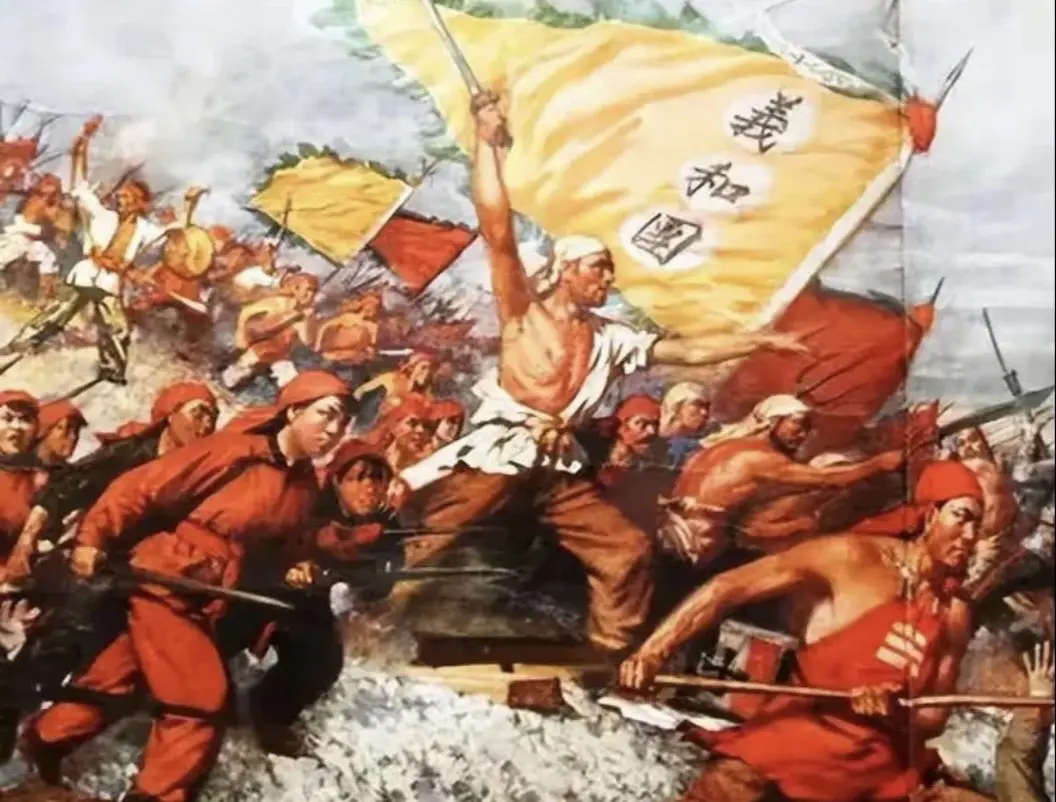
The Boxer Rebellion
In the year 1900, the so-called Boxers entered Beijing and held the diplomatic quarter under siege for 55 days. This was the culmination of an uprising where the Boxers tried to rid China of the foreign influence that had been forced upon the empire after the Opium Wars. Later this incident was commonly called the Boxer Rebellion; there are, however, not one but two misconceptions associated with this term. The first one is the term boxer.
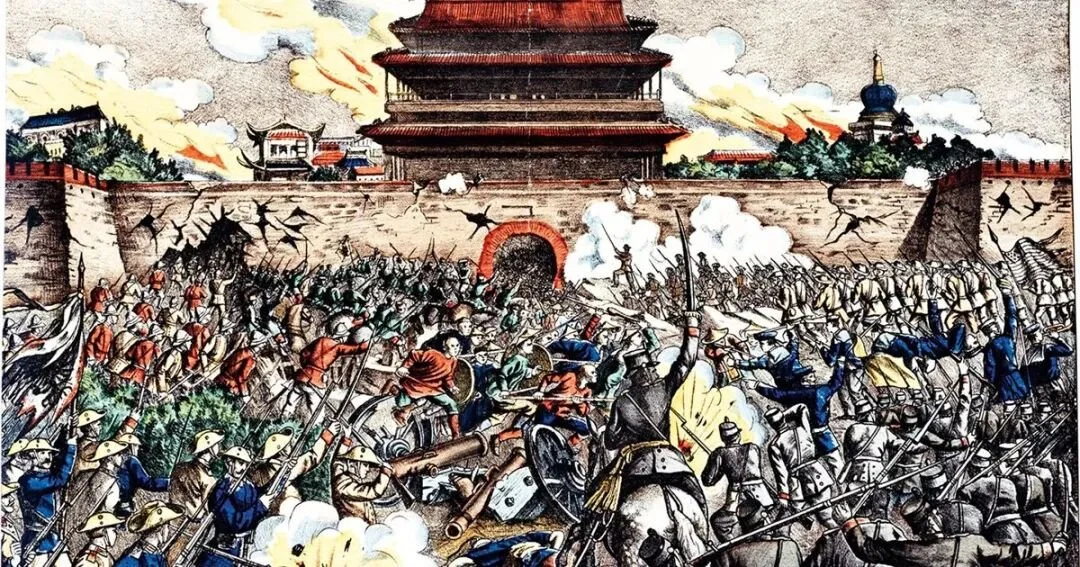
The Question of how to perceive the Boxers is still today a politically potent issue
In Chinese the Boxers were often called Yihetuan (义和团); Yihetuan can be translated as "militia united in righteousness" or "the harmonious righteous movement." No matter what translation is preferred, it is a far cry from the term "Boxer." The foreigners used the slightly derogatory term "Boxer" because they observed the Boxers doing Kung Fu exercises in the streets as they prepared to take on the foreign devils. The English term "boxer," still in use today, is in this way totally devoid of any resemblance to the Chinese one.
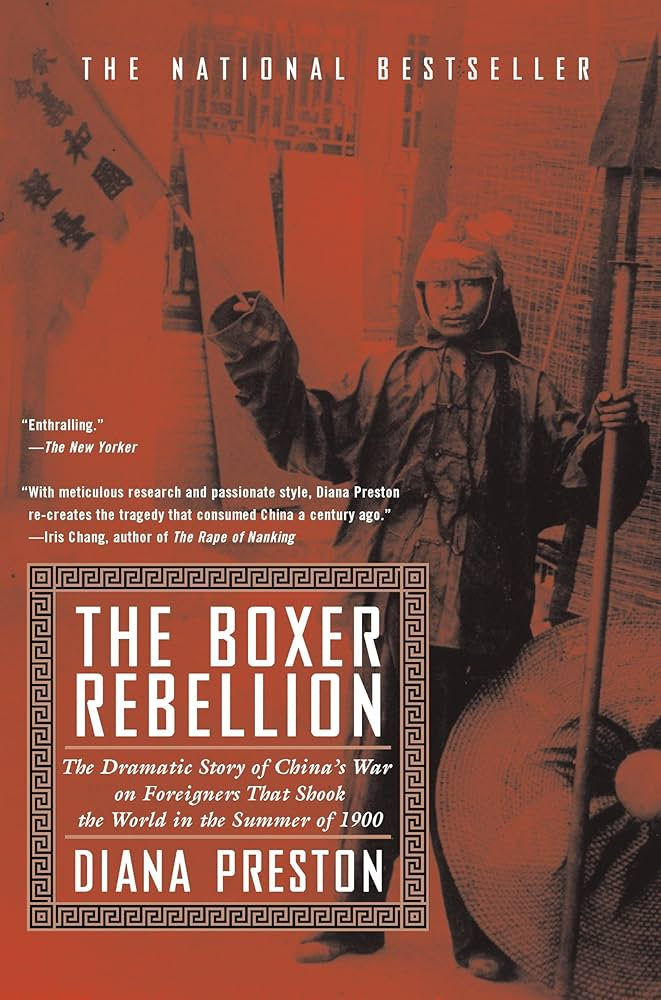
Even though the Boxers had support by the government and waged a war on the foreigners. The incident is still often called "The Boxer Rebellion".
The second misconception is the suggestion that the uprising was a rebellion, because the Boxers were actually supported by the Chinese government, so how could the Boxers be called rebels when the government was actually supporting them? This problem has been addressed by many scholars that prefer to use the term "Boxer uprising" today; "Boxer Rebellion" is, however, still very commonly used, as can be seen from the cover of Diane Preston’s book “The Boxer Rebellion."
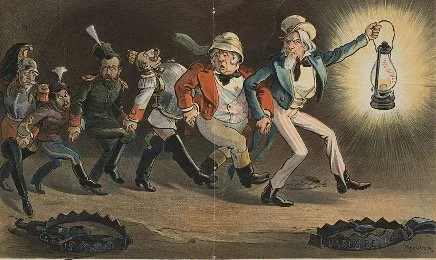
The second misconception is the suggestion that the uprising was a rebellion, because the Boxers were actually supported by the Chinese government, so how could the Boxers be called rebels when the government was actually supporting them? This problem has been addressed by many scholars that prefer to use the term "Boxer uprising" today; "Boxer Rebellion" is, however, still very commonly used, as can be seen from the cover of Diane Preston’s book “The Boxer Rebellion."