Did Matteo Ricci Meet the Emperor?
In 1601 Matteo Ricci was granted an audience with the Chinese emperor. The Jesuit missionary had worked on getting this opportunity for 17 years. Equipped with clocks, prisms, globes and almanacs carefully selected as gifts for the emperor, Ricci had entered Beijing.
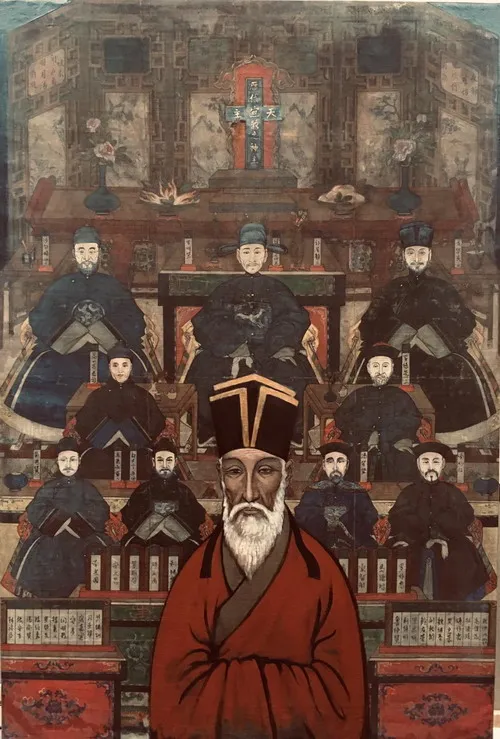
The Jesuits were known for being extremely learned, and Ricci was one of the most learned among them. With an incredible memory and admirable discipline, Ricci had read and translated the Confucian analects. He had in fact managed to create a bridge between the Chinese state religion Confucianism, that he regarded more as a philosophy and his own believe, and it was ultimately this merge of eastern and western ideas that he hoped to present to the emperor.
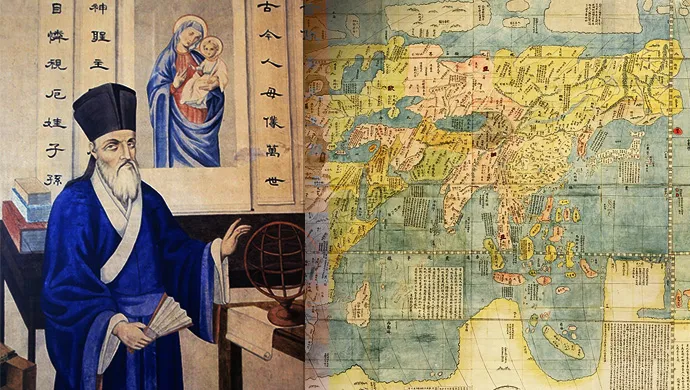
Matteo Ricci managed to get a foothold in China and produced a Chinese map of the world
On January 27 he was woken long before dawn on the great day of the audience, he was walked into the Palace by assigned officials together with other people that had come to pay their respects to the son of heaven. The participants were presented in front of the throne in strict order to avoid any mistakes. Ricci had been told to always lower his head and never stare at the emperor. When Ricci was finally called upon, he knelt in front of the throne with lowered head as he had been instructed, but out of a corner of an eye he stole a glimpse in the direction of the imperial chair, and this was when he realized that the emperor was not there at all.
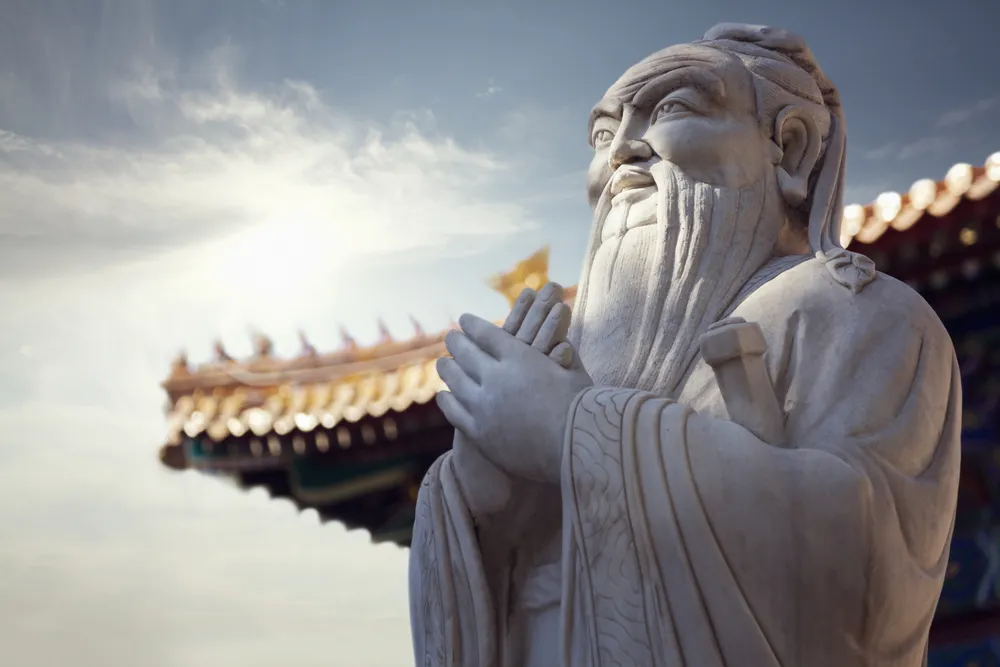
Matteo Ricci saw no conflict between Confucianism that he viewed as a philosophy and his own religion
The whole spectacle was absurd theater, the distinguished guests where kneeling down in front of an empty throne, as the emperor had years before stopped attending ceremonies in person. Later despite frequent audiences in the Imperial City, and constant dealings with imperial officials, Ricci never met the emperor, the son of heaven remained an elusive almost abstract presence inside the enormous palace. No wonder that Franz Kafka the author of “The Process”, a story about a bureaucracy so enormous that no body commands it, was fascinated with the Forbidden City.
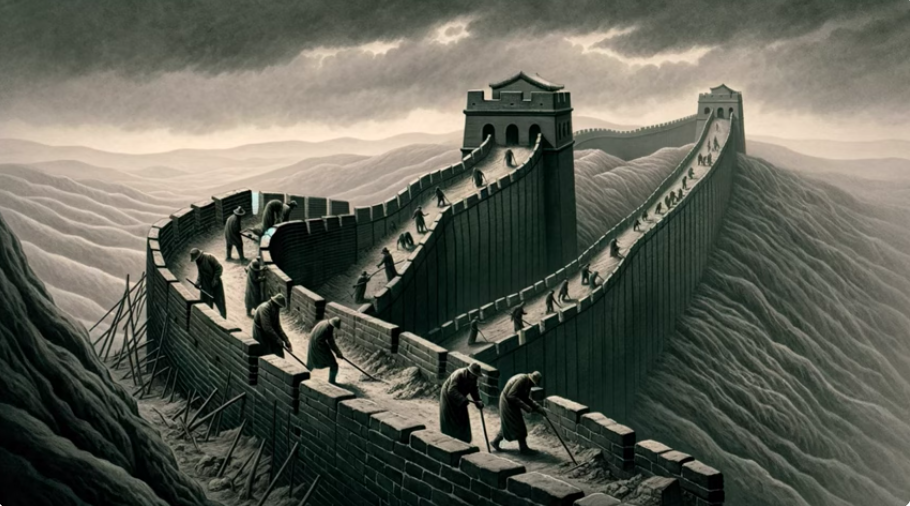
Franz Kafka wrote a short story about the emperor not able to reach the world outside his palace in 1917 called: “The Great Wall of China”
300 Years after Matteo Ricci’s failed to meet the emperor, Kafka wrote a short story in 1917 called “The Great Wall of China” . In the story he states: “The empire is immortal, but the individual emperor falls and collapses.”
Hear more about Matteo Ricci and his take on Confucianism on our upcoming walk “A Walk in to the Chinese Mind”.