The Chinese Idea of Heaven
Very few people are familiar with the name Dong Zhongshu (董仲舒). It is however this little known person that more than 2000 years ago engineered an imperial take on religion, that would last all through the dynasties.
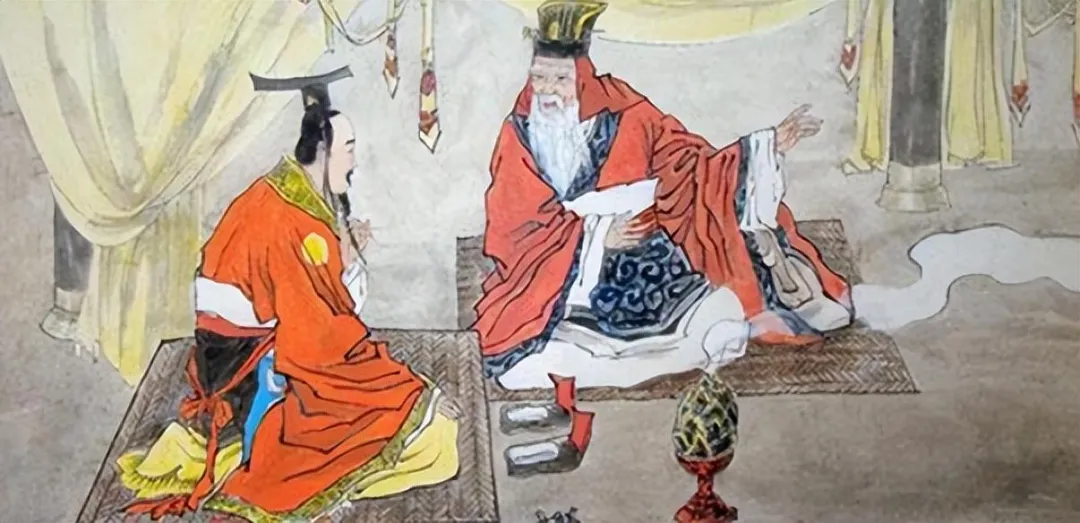
Dong Zhongshu’s main accomplishment was to convince the Han emperor, Wu, to make Confucianism into state religion. Confucianism was the perfect glue to create a unified state because of three things.
Confucianism emphasized how people should cultivate high morals in order to be good citizens in society; It also payed great attention to rituals or ceremonies, one of the most important political tools of the imperial government; and last but not least, Confucianism places filial piety as the hierarchical skeleton of all of society. According to confucianism, a son should not only respect his father, he should completely submit to him, just as Chinese citizens should submit to their master on earth: the emperor.
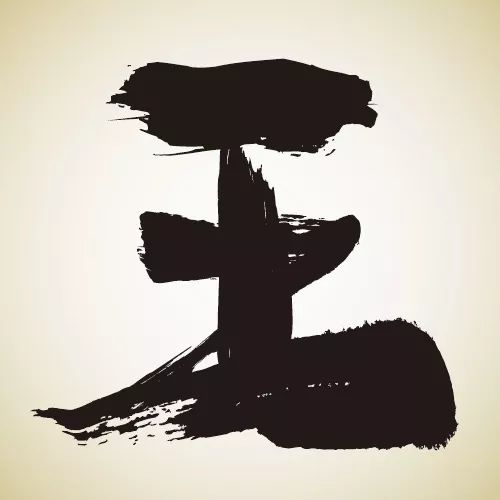
Dong Zhongshu’s Confucianism was a hybrid between already existing ideas like the Taoist idea of Ying and Yang and the even older idea of the Chinese heavenly ancestor Shangdi (上帝) in the sky. He defined the relation between heaven, earth and man like this:
“Whoever invented writing in ancient times connected three lines through the middle and called it a “king” . The three lines stand for Heaven, earth and man. The one who connects them through the middle join their paths. Who else but a king could take the central place among Heaven, earth, and man and connect them all?”
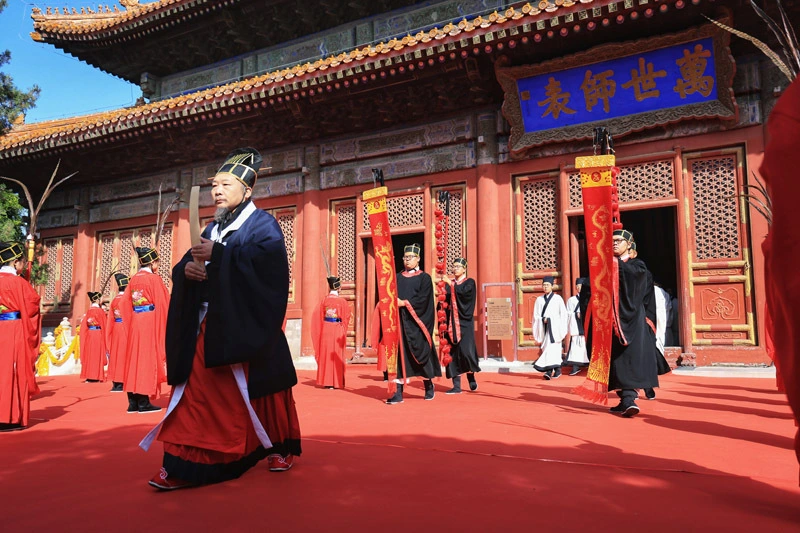
Dong Zhongshu saw the emperor as absolutely central when it came to ruling people on earth, but the emperor was not above heaven. Dong believed that if an emperor did not act according to the will of heaven, then society on earth would be thrown off balance. Floods, fires, earthquakes would show that the emperor did not act according to heaven’s will. This exact idea would eventually turn the emperor against Dong Zhongshu. After two disatrous fires, Dong Zhongshu argued that the catastrophes were due to heavens anger with the policies of the emperor, this made emperor Wu so furious that he allegedly sentenced Dong Zhongshu to death, but in the end Dong Zhongshu was pardoned and sent away never to hold high office again.
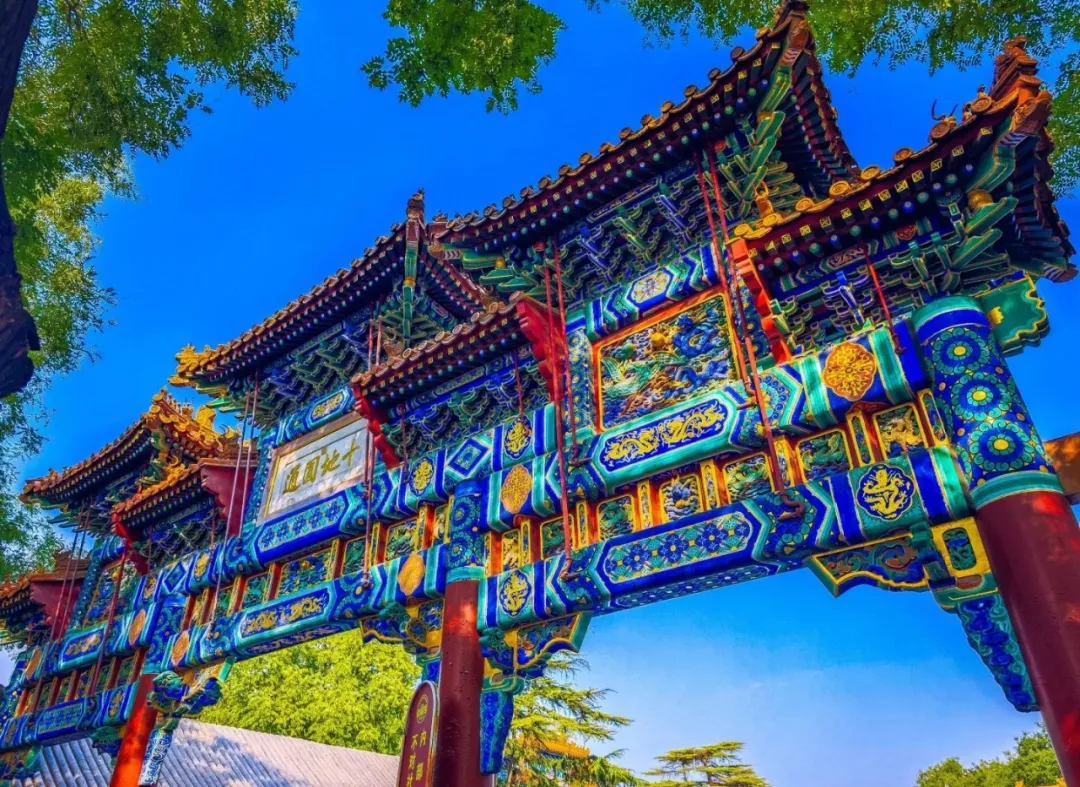
Despite the unfortunate fate of Dong Zhongshu, the idea that the emperor answered to heaven and that natural catastrophes were a sign of imperial misconduct became a commonly accepted notion, and the state religion based on confucianism that Dong Zhongshu had helped create was central in all imperial decision making up till the very last of the emperors abdicated in 1911.
Hear more at our upcoming walk:
A Walk into the Chinese Mind: Confucius Temple & Lama Temple